
- Sand
- Black
- Water
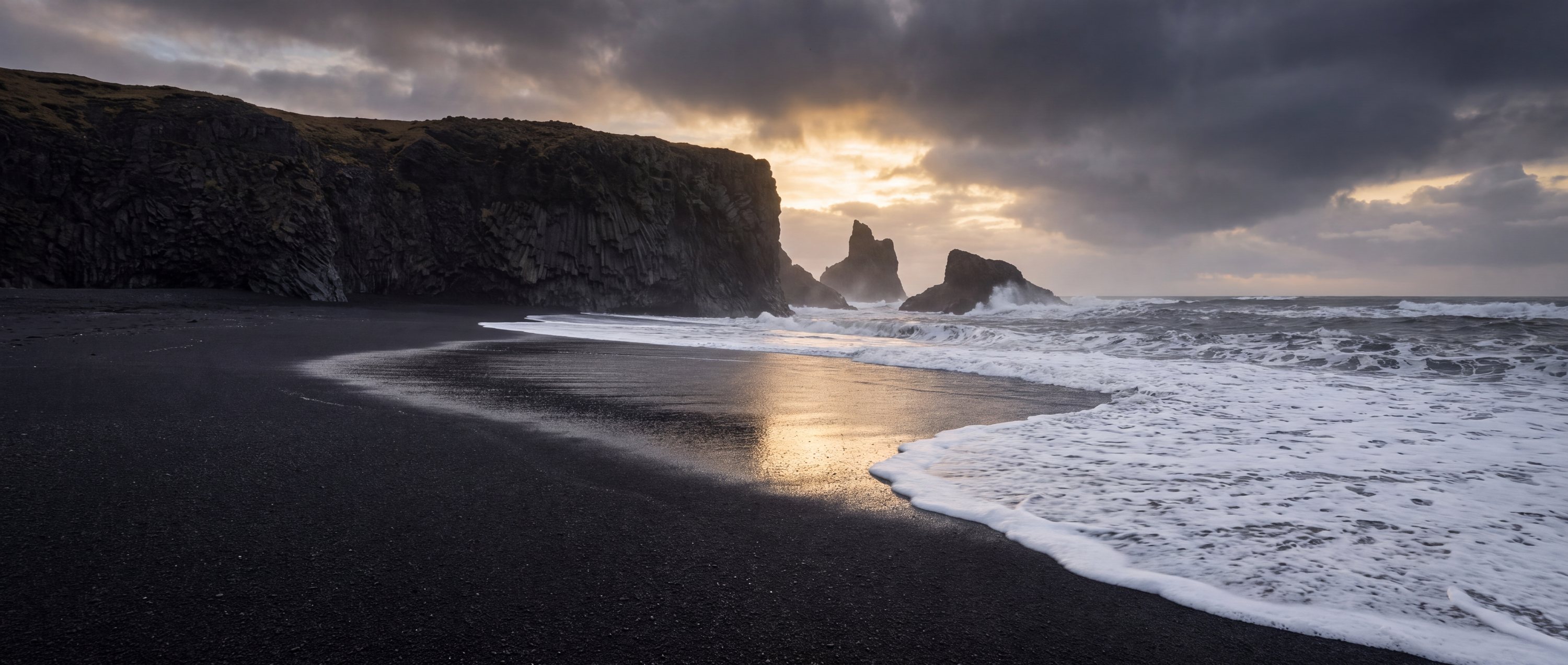
- Cold, powerful North Atlantic surf
37 beaches
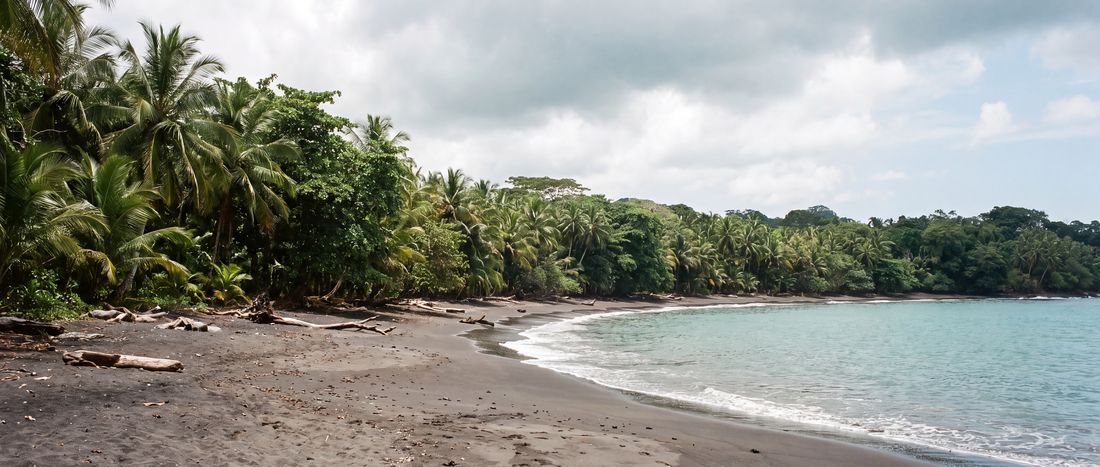
Dark sand forms where volcanic rock meets the sea. These are the black sand beaches in the atlas, from Iceland's south coast to the Canary Islands, Hawaiʻi and New Zealand's ironsand coast, each with its location and what its record holds about sand and water.
Where they are
37 beaches in 12 countries: Spain 9 · United States 8 · Greece 4 · New Zealand 4 · Iceland 3 · Ecuador 2 · Portugal 2 · Brazil 1 · Costa Rica 1 · Indonesia 1 · Italy 1 · Saint Vincent and the Grenadines 1


Gallery
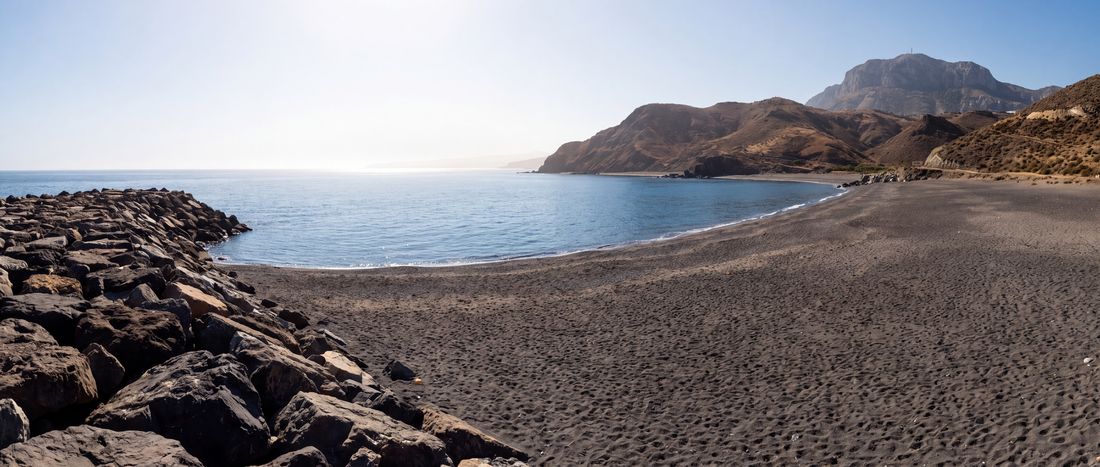
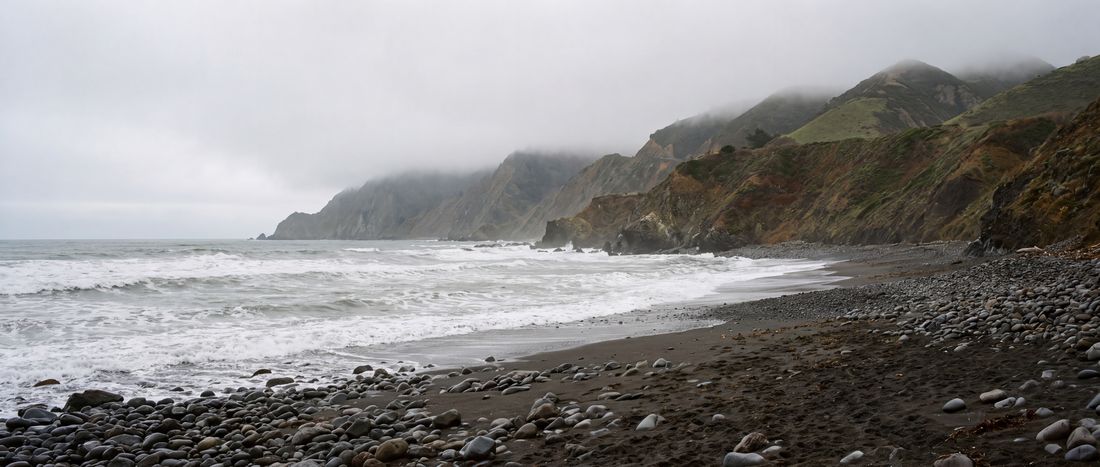
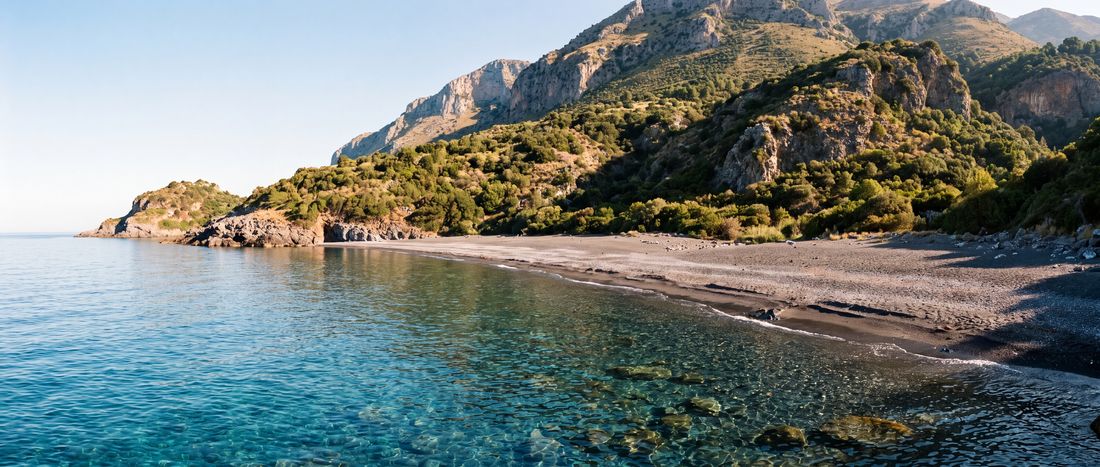
36 more photographs of the beaches above, each from Wikimedia Commons with its creator and licence read from the file itself.


Field note
Most black sand beaches form where dark volcanic rock, usually basalt, is broken down by waves, weather and erosion. The result can be fine sand, coarse grains or rounded pebbles; colour alone does not tell you how a beach feels underfoot.
On geologically young coasts new black sand can be supplied by eruptive material while waves carry other grains away, which makes some volcanic beaches unusually changeable.
Read the field note: why some beaches are black →Method
Each beach is listed by its name and country, and checked against the map where the name is common: a Playa de la Arena counts on Tenerife, La Palma, La Gomera or El Hierro but not on Lanzarote or Gran Canaria, and a Praia Formosa counts on Madeira or the Azores but not on the mainland. A beach mapped more than once, as a point and an outline or as several points along one long strand, appears once. A black sand beach that is not named on this list is missing, not excluded; tell us and we will add it.
Suggest a beach →Questions
It is usually basalt or other dark volcanic rock that waves, weather and erosion have broken down. That is why black sand beaches cluster on volcanic coasts such as Iceland, Hawaiʻi and the Canary Islands.
Yes. Dark surfaces absorb solar energy efficiently and can become uncomfortably hot underfoot on a sunny day.
Sand colour says nothing about swimming. Exposure, currents, rocky entries and local warnings decide it, and several famous black sand beaches face open ocean surf. Check each beach's own record and local guidance.
Not always. On young volcanic coasts the balance between new volcanic material and the grains waves carry away can reshape a beach over a short time.
Provenance


