
Sand & geology · 6 min
Why some beaches are black
The short answer is basalt. The useful answer starts with how volcanic rock becomes a shoreline.
Read the field note →Beach literacy
Short explanations first. Deeper physical and environmental context when it earns the space.
The short answer is basalt. The useful answer starts with how volcanic rock becomes a shoreline.
Read the field note →
A beach can look calm in a photograph and behave very differently at the waterline.
Read the field note →
Clarity is not a single permanent property. Light, sediment, plankton, depth and the seafloor all change what the eye sees.
Read the field note →
Tide does more than move the waterline. It changes access, depth, reef exposure and sometimes the entire shape of the visit.
Read the field note →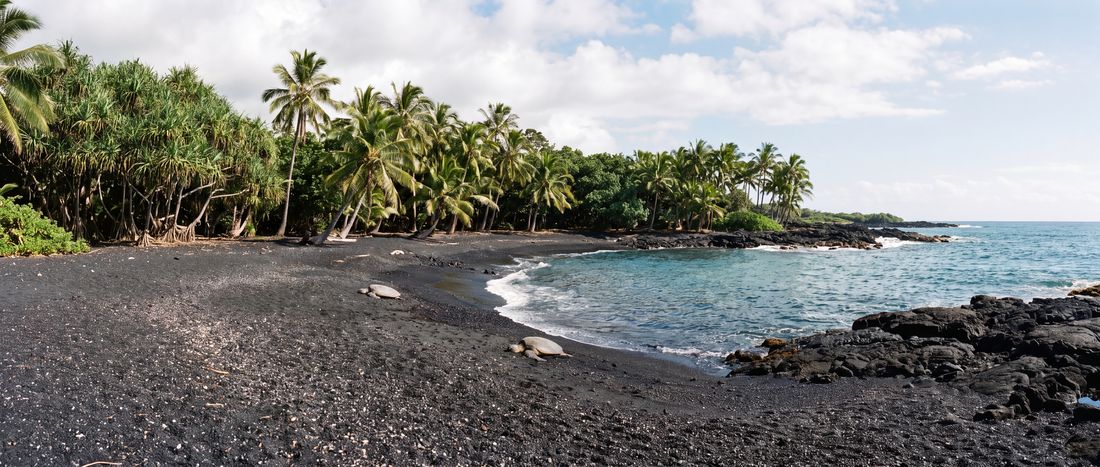
Sand is leftover rock and shell, and its color is a direct readout of what a coastline is made of.
Read the field note →
A beach is not a fixed object but a moving balance of sand supply, waves and currents, rebuilt and eroded on cycles from days to decades.
Read the field note →
Rip currents are the leading surf-beach hazard worldwide, and they are also one of the more visible features once the signs are known.
Read the field note →
The same moon pulls on every coastline, yet tidal range can be a few centimetres in one place and many metres a short distance away; the difference is mostly local geography, not the moon.
Read the field note →
A coral reef is a limestone structure built slowly by living animals, and most of what makes it worth looking at is explained by that one fact.
Read the field note →
Sea turtles return to nest on beaches using cues that are easily overridden by artificial light and tyre tracks, which is why nesting beaches are managed so specifically.
Read the field note →
A beach carrying an official designation is being measured against a specific, published standard, and knowing what that standard does and does not cover is more useful than the label alone.
Read the field note →
A swell forecast is really three numbers describing one wave system, and the one most people skip, wave period, usually matters more than the wave height headline.
Read the field note →